- ABOUT
- INITIATIVESEdit Content

Vani School provides worldwide access to professional online courses centred around Bhakti yoga on various subjects such as, Ayurveda, yoga, kirtan and much more.
LEARN MORE
Edit Content
Find Healing and Transformation for anyone struggling with Addictions of all kinds. A compassion-driven program that blends the 12-step AA program with the Bhakti tradition & lifestyle.
LEARN MORE
Edit Content
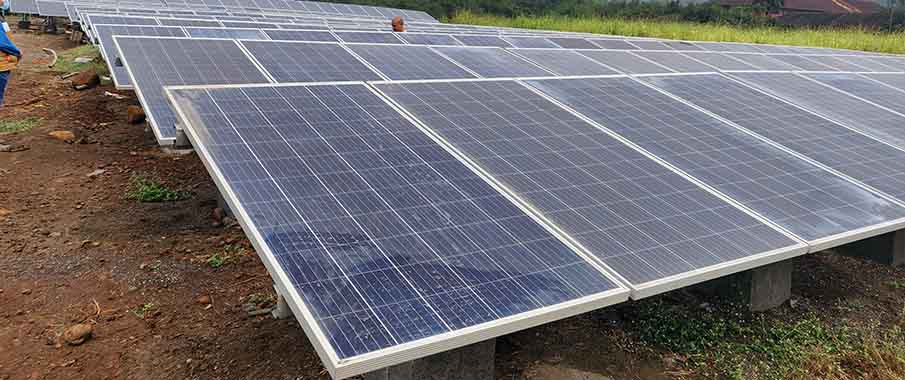
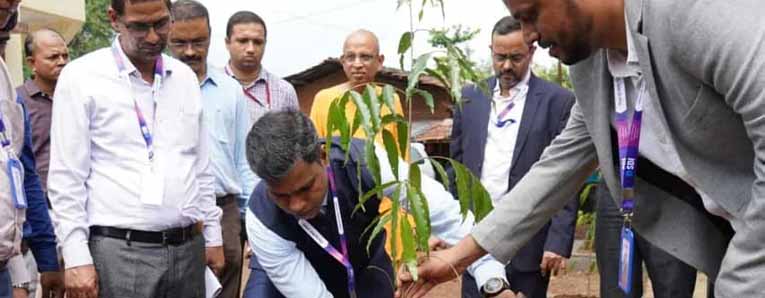
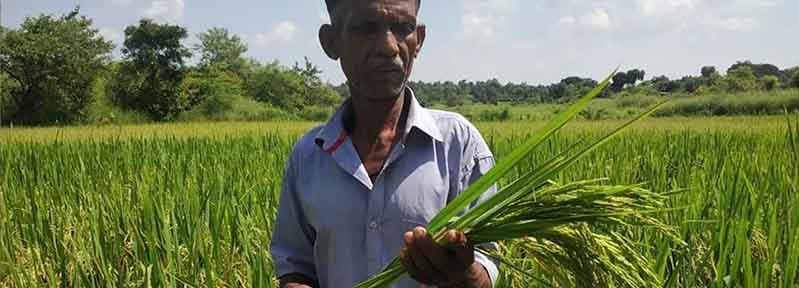
The Govardhan Ecovillage is a United Nations WTO-awarded, internationally recognised eco-community set up to highlight the importance of living a sustainable life in harmony with nature.
LEARN MORE
Edit Content
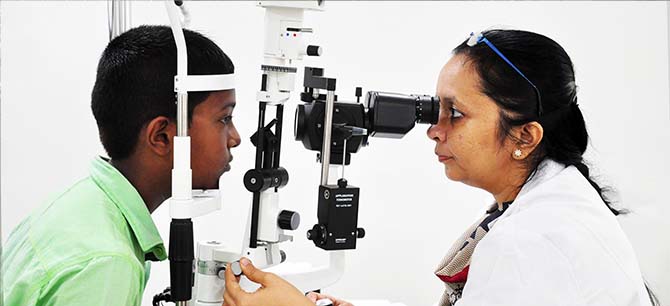
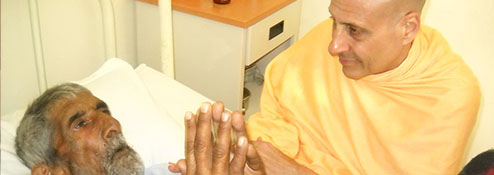
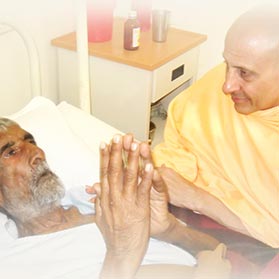
Bhaktivedanta Hospital is a revolutionary, state-of-the-art facility that holistically treats patients on a physical, mental, emotional and spiritual level.
It is also combatting the epidemic of curable blindness in India with Eye Camps that are restoring sight to thousands.
LEARN MORE
Edit Content
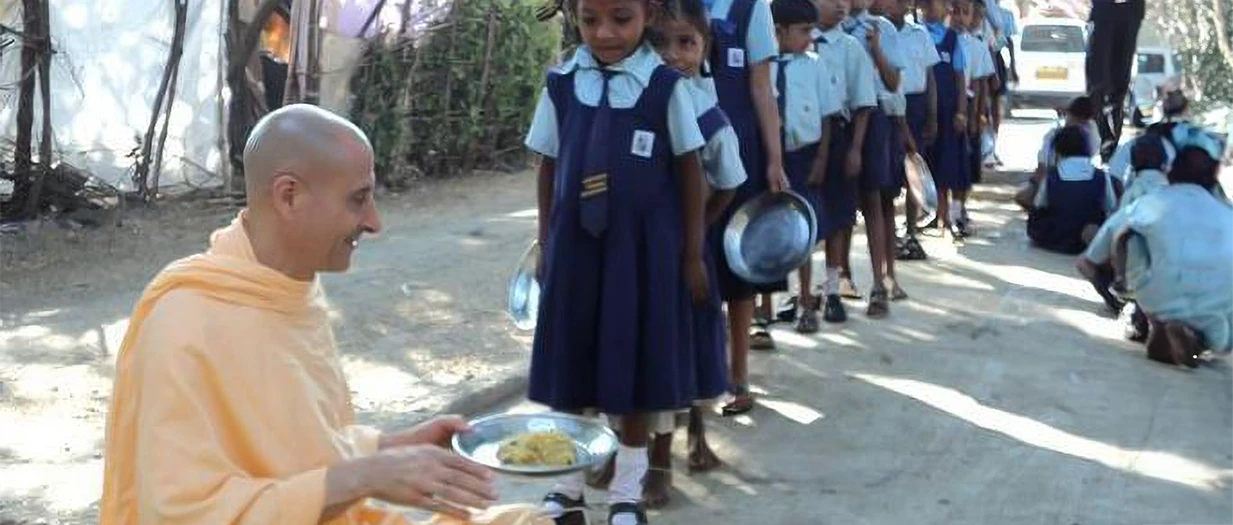
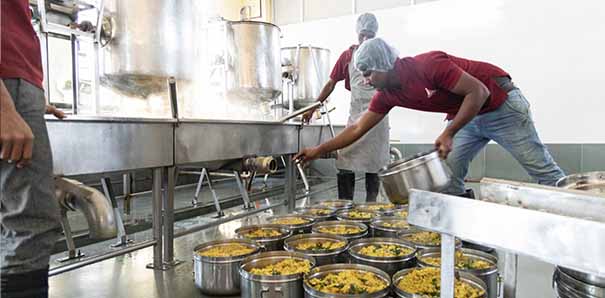
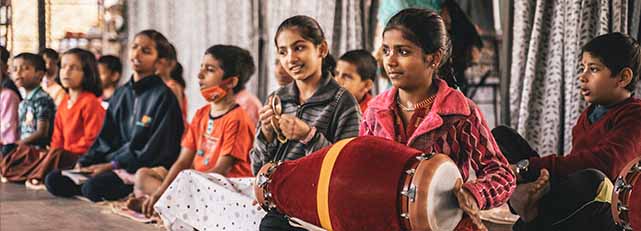
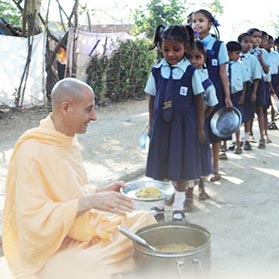
The Midday Meals Project serves food to school children across India to combat poverty, malnutrition & illiteracy. Since it’s inception, it has served over 4 billion vegetarian meals, and counting.
LEARN MORE
Edit Content
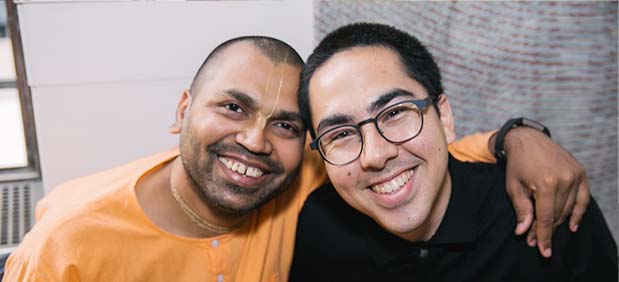
The Bhakti Center is a cultural and spiritual hub in the heart of Manhattan, New York. It’s mission is to develop conscious community through immersive experience. It offers courses in meditation and yoga, as well as 12-step recovery and meal distribution.
LEARN MORE
- RESOURCESEdit Content
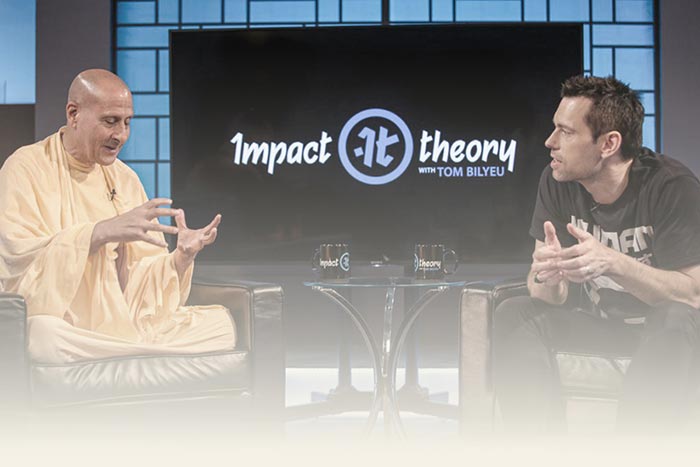
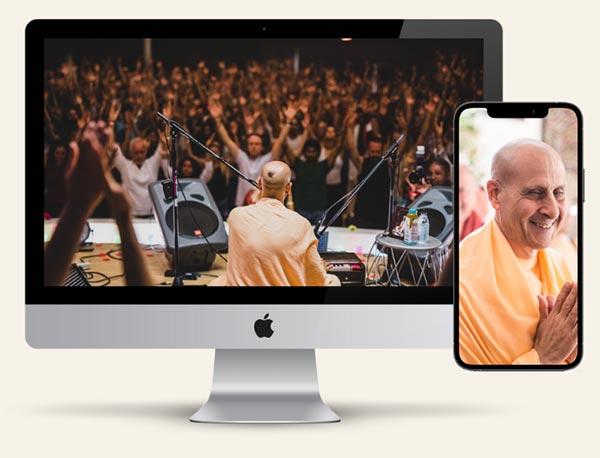
Take a deep dive into the catalogue of videos, images and articles within Radhanath Swami Media.
LEARN MORE
Edit Content
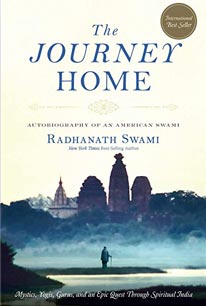
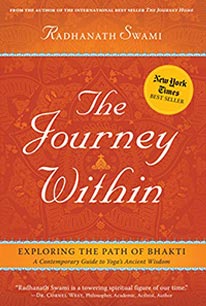
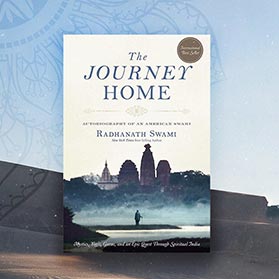
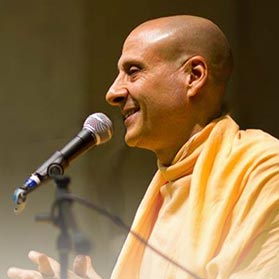
H.H. Radhanath Swami is #1 New York Times Best Selling Author. His books, The Journey Home and The Journey Within have been read by many all over the world.
LEARN MORE
Edit Content
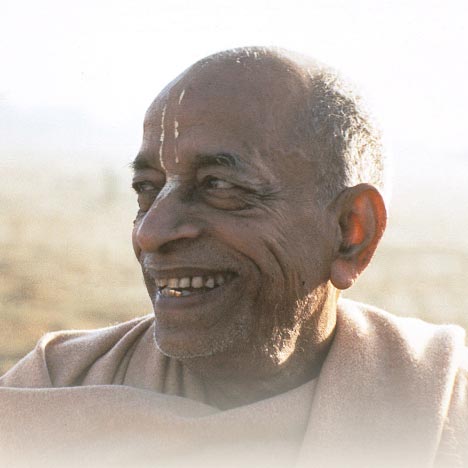
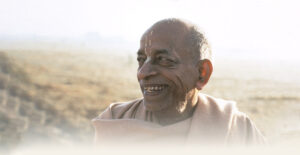
Explore Radhanath Swami’s key teachings including the timeless wisdom of Bhakti Yoga. Also discover the life of Srila Prabhupada, Radhanath Swami’s teacher.
LEARN MORE
- GET INVOLVED
- NEWSLETTER
- CONTACT


- ABOUT
- INITIATIVESEdit Content
Vani School provides worldwide access to professional online courses centred around Bhakti yoga on various subjects such as, Ayurveda, yoga, kirtan and much more.
LEARN MORE
Edit Content
Find Healing and Transformation for anyone struggling with Addictions of all kinds. A compassion-driven program that blends the 12-step AA program with the Bhakti tradition & lifestyle.
LEARN MORE
Edit Content
The Govardhan Ecovillage is a United Nations WTO-awarded, internationally recognised eco-community set up to highlight the importance of living a sustainable life in harmony with nature.
LEARN MORE
Edit Content
Bhaktivedanta Hospital is a revolutionary, state-of-the-art facility that holistically treats patients on a physical, mental, emotional and spiritual level.
It is also combatting the epidemic of curable blindness in India with Eye Camps that are restoring sight to thousands.
LEARN MORE
Edit Content
The Midday Meals Project serves food to school children across India to combat poverty, malnutrition & illiteracy. Since it’s inception, it has served over 4 billion vegetarian meals, and counting.
LEARN MORE
Edit Content
The Bhakti Center is a cultural and spiritual hub in the heart of Manhattan, New York. It’s mission is to develop conscious community through immersive experience. It offers courses in meditation and yoga, as well as 12-step recovery and meal distribution.
LEARN MORE
- RESOURCESEdit Content
Take a deep dive into the catalogue of videos, images and articles within Radhanath Swami Media.
LEARN MORE
Edit Content
H.H. Radhanath Swami is #1 New York Times Best Selling Author. His books, The Journey Home and The Journey Within have been read by many all over the world.
LEARN MORE
Edit Content
Explore Radhanath Swami’s key teachings including the timeless wisdom of Bhakti Yoga. Also discover the life of Srila Prabhupada, Radhanath Swami’s teacher.
LEARN MORE
- GET INVOLVED
- NEWSLETTER
- CONTACT